
Direct answer
In a probate estate, the executor (or their solicitor) first identifies any items that might have real value - antiques, art, jewellery, collections, or anything else that isn't obviously ordinary household contents. Where a formal valuation is needed, for probate purposes or for HMRC's IHT400 inheritance tax account, that valuation is carried out by a professional: typically a RICS-registered valuer or surveyor, or a recognised auction house. Only once that review is complete, or the executor has deliberately decided nothing needs a specialist look, does the remaining general clearance go ahead. houseclearance.co's carrier network helps at the clearance end of this process - carriers can help set aside or flag items that look potentially valuable before the bulk clearance starts, so nothing is removed before it's had a proper look - but houseclearance.co and its carrier network do not provide formal valuations, auctioneering, or HMRC inheritance tax valuation services. This guide explains the process so you know when to involve a professional valuer before booking a clearance.
How the process fits together
Valuation first for anything uncertain, clearance once that's settled.
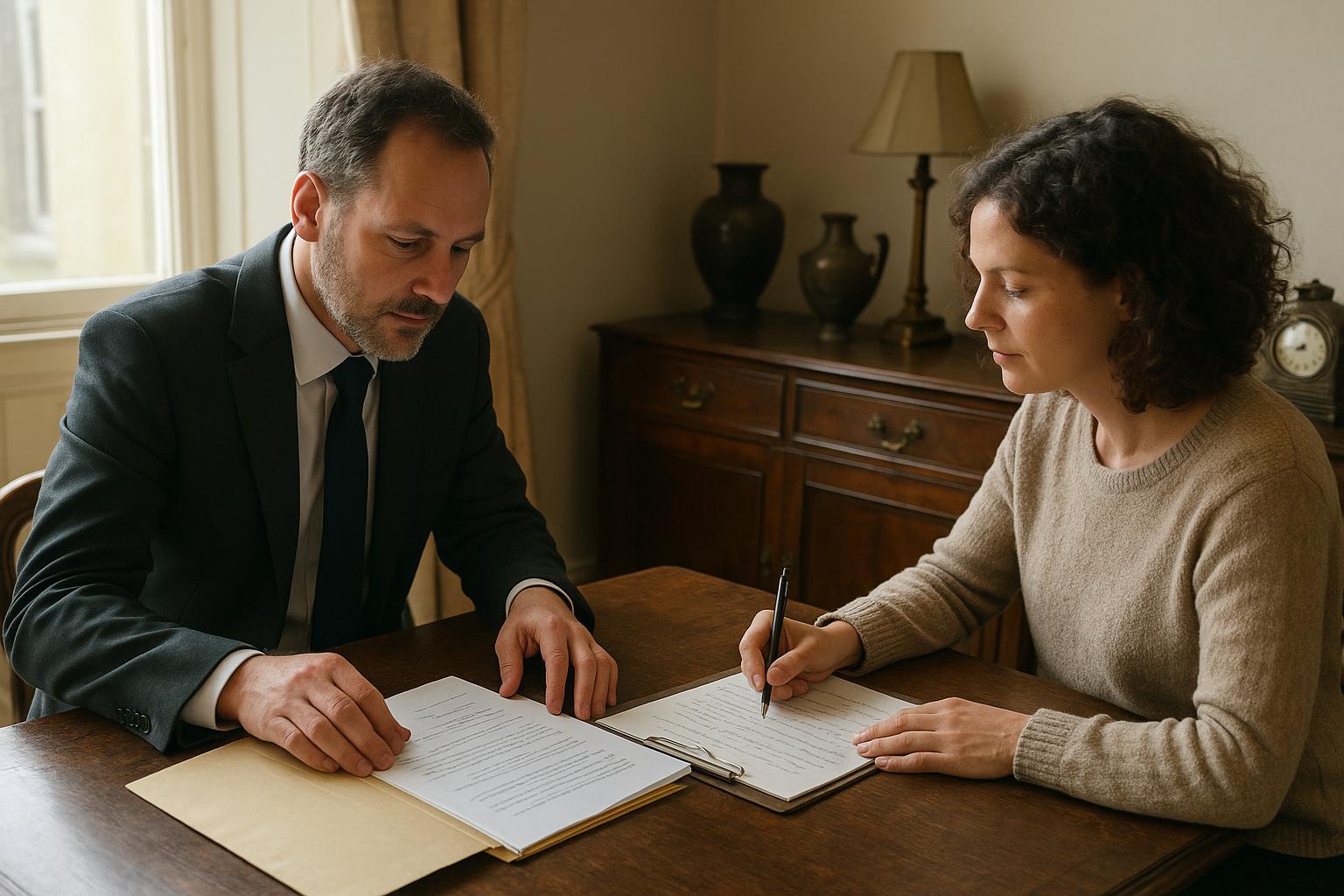
When someone dies and their estate includes a property that needs clearing, the physical clearance and any formal valuation of contents are two separate jobs, usually done in a particular order. The executor or administrator is responsible for identifying what's in the estate, including its contents, and for deciding whether any of it needs a professional look before the property is cleared. If the estate's overall value is close to, or above, the inheritance tax threshold, HMRC's probate process can require a reasonably robust valuation of household and personal chattels as part of the IHT400 account - not just a guess at what things are "probably worth". That valuation work sits with a qualified valuer, not with whoever ends up removing the furniture afterwards.
In practice, this usually means: the executor (often working with their solicitor) walks the property, or has someone trustworthy do so, and identifies anything that looks like it could be worth valuing specifically - rather than assuming everything is ordinary household contents. Anything in that category is set aside and referred to a professional valuer or auction house. Everything else - furniture, kitchenware, ordinary household items with no specific value - can be scoped for a probate house clearance and cleared once the executor is satisfied nothing of note has been missed. For the wider picture of coordinating this with the solicitor handling the estate and any estate agent marketing the property, see our blog post on working with solicitors and estate agents during a probate house clearance, which covers documents and paperwork alongside valuable items in more detail.
Who does what
Each role covers a different part of the process - none of them overlap with the others.
| Role | What they do | When needed |
|---|---|---|
| Executor or administrator | Identifies the estate's assets, including contents, decides what might need a specialist look, and instructs the relevant professionals. | Throughout the estate administration, starting before any clearance is booked. |
| RICS-registered valuer or surveyor | Provides a formal, professional valuation of household and personal chattels for probate or inheritance tax purposes. | Where the estate's value may be close to or above the inheritance tax threshold, or probate otherwise requires a formal valuation. |
| Auction house or specialist dealer | Can value and, where instructed, sell antiques, art, jewellery or collections on behalf of the estate. | Where specific items look collectable or specialist, or where the estate wants to realise value from them rather than simply dispose of them. |
| Solicitor handling the estate | Advises on what probate and tax rules require, and whether a formal valuation is needed for this particular estate. | Early on, ideally before any valuation or clearance decisions are finalised. |
| Clearance carrier (via houseclearance.co) | Removes and responsibly disposes of the agreed, non-valuable contents once the executor confirms the property is ready to clear. | After valuable or uncertain-value items have been identified and set aside, not before. |
Identifying potentially valuable items before you book a clearance
A short, deliberate review beats finding out afterwards.
You don't need to be an expert to do a useful first pass - the aim is to flag anything uncertain for a professional to look at, not to value it yourself. Before booking a clearance date, it's worth working through the property with this in mind:
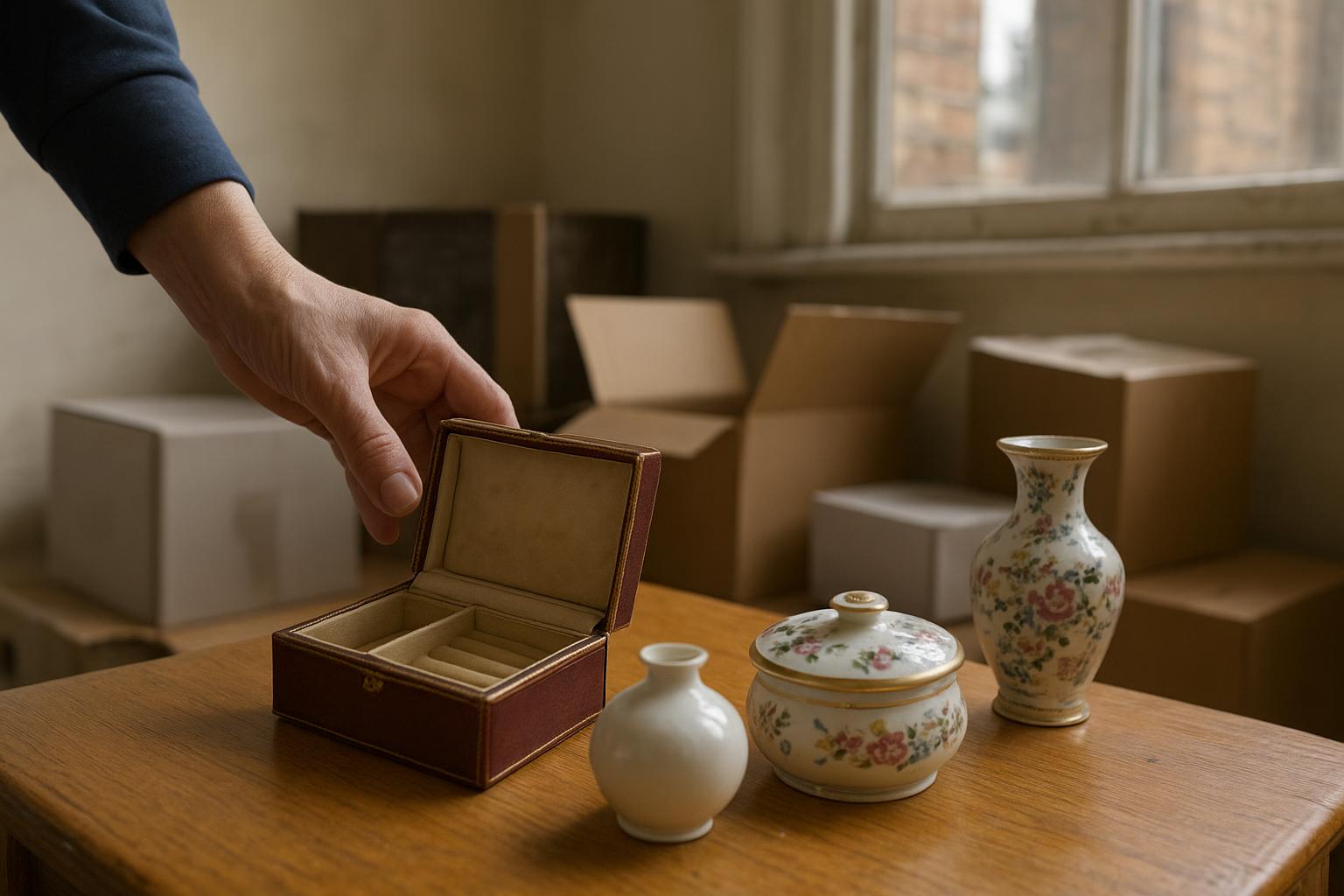
- Walk each room separately from day-to-day tidying, specifically looking for antiques, art, jewellery, watches, coins, and collections (stamps, books, china, glassware, militaria, and similar).
- Check less obvious places where valuables are often kept - bedside drawers, wardrobes, bureaux, lofts, and garages - rather than assuming everything of note is on display.
- Set aside anything that looks old, unusual, hand-made, or clearly different in quality from the rest of the contents, even if you don't know what it is.
- Keep any paperwork that came with an item - receipts, certificates, provenance letters, insurance valuations - together with the item itself, since this can matter to a valuer.
- Photograph items you're setting aside and note roughly where they were found, in case more than one person needs to review the list later.
- Agree with the executor (and, where relevant, other beneficiaries) which items are going to a valuer or auction house, and keep that list separate from anything going into the general clearance.
Once that review is done and anything potentially valuable has either been valued, sold, or otherwise accounted for, the rest of the property's contents can be scoped for clearance in the usual way - see our guide on what drives probate house clearance cost in London for how pricing works once you're at that stage.
Valuation and disposal scenarios at a glance
Matching the job to the right option, and what to confirm before booking either one.
| Option or job scenario | What it includes | Main restriction | What to confirm before booking |
|---|---|---|---|
| RICS-registered valuer visit | A formal, documented valuation of household and personal chattels, usable for probate or HMRC's IHT400 account. | Only a qualified valuer can produce a valuation that probate or HMRC will rely on - a carrier or general clearance quote cannot substitute for this. | That the valuer is instructed by the executor (or solicitor) directly, and that their report will be accepted for the estate's specific probate/tax situation. |
| Auction house appraisal | Valuation of specific collectable or specialist items (antiques, art, jewellery, collections), often combined with an option to sell through the house. | Best suited to items with likely resale value; general household contents usually aren't a good fit for auction appraisal. | Whether the house charges for appraisal alone, their commission if items are sold, and realistic timescales before a clearance date is fixed. |
| Sentimental items set aside for family | Items with no significant monetary value but personal meaning to the executor or beneficiaries, held back from the general clearance for family to decide on. | This is a family/executor decision, not a valuation - it doesn't need a professional unless an item turns out to be worth more than expected. | That all beneficiaries who might have an interest have had a reasonable chance to say what they'd like kept, before it's removed from the property. |
| General probate clearance (via houseclearance.co) | Removal and responsible disposal of the remaining household contents once valuable and sentimental items have been identified and accounted for. | Carriers found through the platform are not valuers and won't assess whether something should have been set aside - that review needs to happen first. | That the executor has confirmed the property is ready, and that the job post clearly excludes anything still pending a valuation decision. |
Where houseclearance.co's carrier network fits in
Clearance, not valuation - and we're clear about the difference.
houseclearance.co is a marketplace that connects people clearing a property with independent, licensed waste-carrier businesses - it isn't a valuation service, an auction house, or a firm of RICS surveyors, and carriers found through the platform aren't valuers. Where it can help is at the practical end of the process: once you've identified items that need a specialist look and set them aside, you can describe the remaining job - what's left after valuable items have been removed - and post the job for licensed carriers to quote on. Some carriers are also happy to help physically separate items you've flagged as uncertain into a clearly marked room or box on the day, so they're kept apart from the general clearance load, but that's a practical sorting step on your instruction, not a valuation of what those items are worth.
If you're not yet sure whether a formal valuation applies to your estate at all, that's a question for the executor's solicitor or accountant, not something to resolve on the day of a clearance. Our probate clearance London page covers the clearance side of a probate job in more detail once you're ready to book.
Frequently asked questions
The questions that come up most often about chattel valuation and probate clearance.
Does houseclearance.co value my items?
No. houseclearance.co and its carrier network do not provide formal valuations, auctioneering, or HMRC inheritance tax valuation services. Carriers booked through the platform remove and responsibly dispose of what's agreed in the job post - they are not valuers, and nothing they say about an item's condition or likely value should be relied on as a valuation. If any part of the estate's contents may need a formal valuation, arrange that with a RICS-registered valuer, auctioneer, or other qualified specialist before the clearance date.
Who actually values chattels for probate and inheritance tax?
A professional valuer with relevant expertise - typically a RICS-registered valuer or surveyor, or a recognised auction house - provides the formal valuation of household and personal chattels used for probate and, where it applies, for HMRC's IHT400 inheritance tax account. The executor or their solicitor usually instructs the valuer directly; it isn't something a waste clearance carrier is qualified or able to do.
Do all estates need a formal chattel valuation?
Not necessarily. Whether a formal valuation is required, and how detailed it needs to be, depends on the overall value of the estate and whether inheritance tax is likely to be due - that's a question for the executor's solicitor or accountant to confirm, not something houseclearance.co advises on. Where contents are clearly low in value, many estates proceed without a specialist valuation at all.
Can a clearance go ahead before chattels have been valued?
It can, once the executor has confirmed that anything potentially valuable has either been valued or deliberately set aside for a later decision. Clearing a property before that review has happened risks items with real value being removed along with everything else, after which they're very hard to identify or recover. Flagging a provisional or pending valuation in your job post helps a carrier plan around it.
Ready to see your price?
Once valuable items are accounted for, post the remaining clearance for licensed carriers to quote on.